
May 11, 2026 / 8 Minute Read
slow suicide
And a man’s enemies will be those of his own household.
Matthew 10:36
In Michael (2026), we get a glimpse into the traumatic and tragic childhood that shaped Michael Jackson, arguably the greatest entertainer of all time.
Instead of exploring the full roller coaster of a career that defined the King of Pop, the film instead focuses on the impacts of his personal relationships, highlighting the damage done by his abusive father.
The movie forces the audience to consider the effects of blind reverence to authority figures and the limits of parental power.
When posed with these conundrums, some may casually and lazily answer with the classic, “Honor thy father and mother.”
Yet I ask, is it right to honor the dishonorable?
Throughout this article, we’ll explore what it truly means to honor your parents.
a godless gospel
We’ll start off by conducting a small case study.
First, we’ll evaluate what the Bible says about parental authority.
Next, we’ll learn about the Biblical rights of the child.
Finally, we’ll evaluate the dynamics between the two relationships and how children can protect themselves from tyrannical parents.
So what does the Word actually say about respecting your parents?
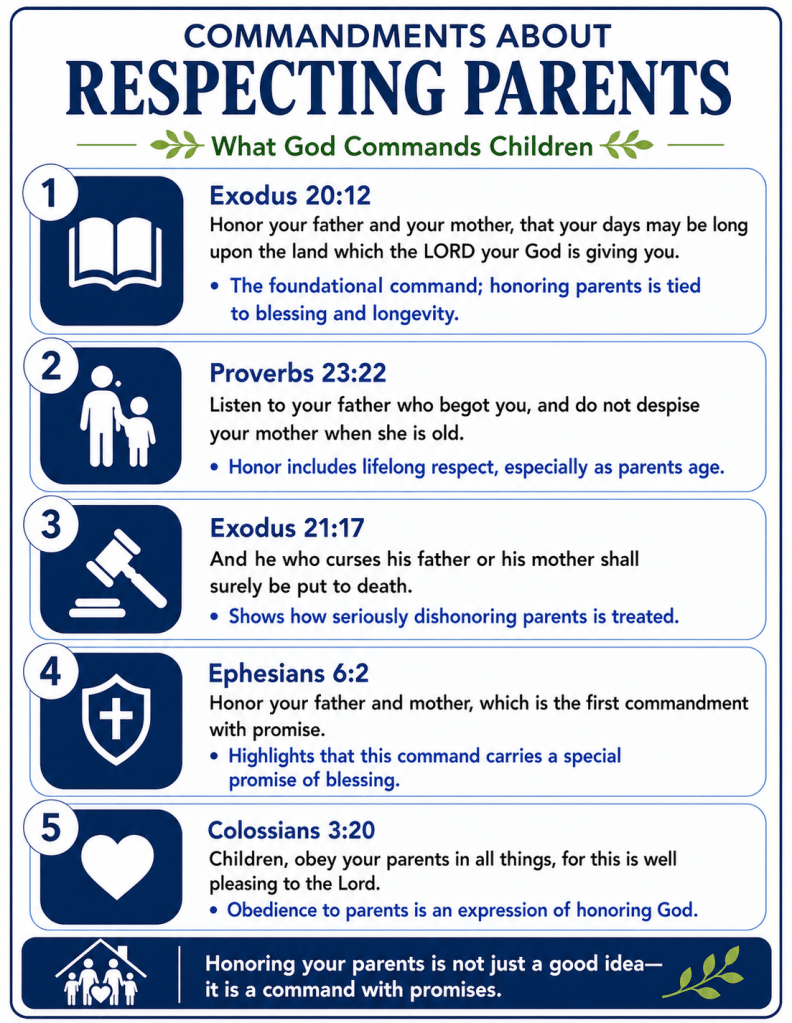
Some caretakers erroniously use these passages to establish themselves as proverbial gods.
They treat their children like robots and emotional support animals, inflicting relentless judgment, unfair expectations, and unnecessary provocation while brutally punishing any semblance of rebellion or disagreement.
This unerringly leads to chronic depression and hopelessness in the child.
When isolating these passages, it’s clear why certain parents behave the way they do, and why so many children stay in abusive households and relationships.
Yet, when evaluating the Bible in its entirety, specifically the guidelines on the treatment of children, this warped mindset becomes inexcusable.
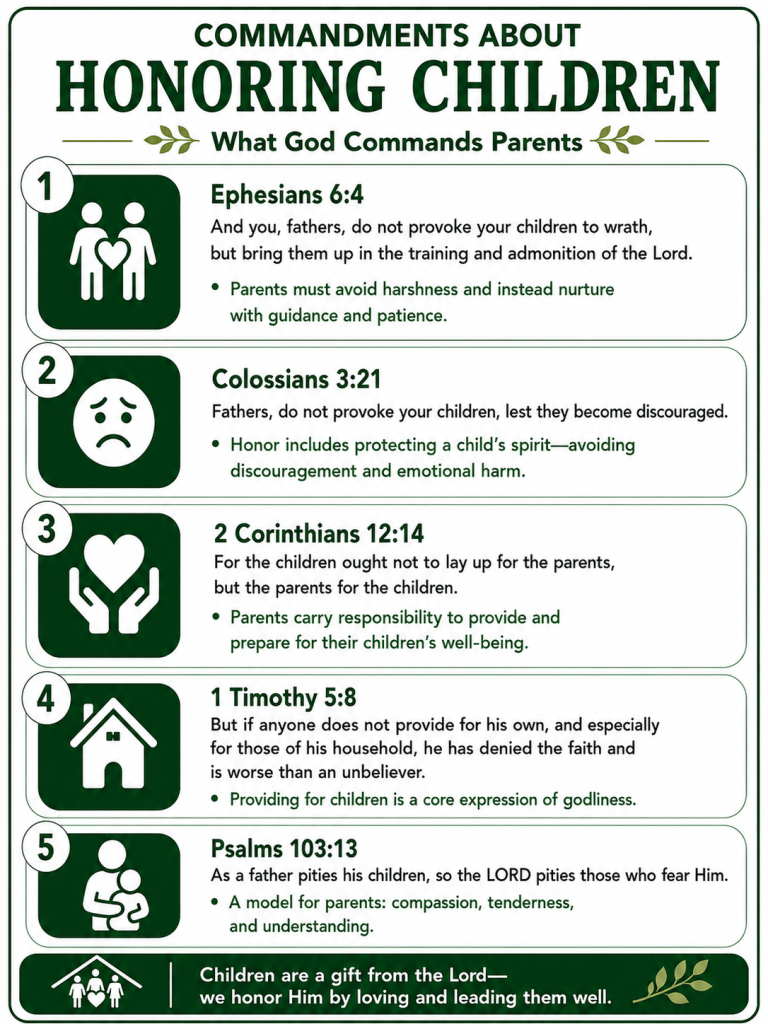
Many parents weaponize and misapply the commands to honor them while hypocritically and cruelly ignoring the adjacent mandates to avoid provoking and abusing their children.
I’m sure we’re all aware of the potential consequences for breaking the parental side of the covenant, even if we haven’t experienced them directly. Beatings, loss of normal privileges, emotional manipulation, and a plethora of other torture devices.
But what happens when the parents break the boundaries enforced to protect the child?
How are they supposed to reconcile honoring their parents in “all things” when their parents listen to Satan more than God?
Yes, children are expected to honor their makers, but the relationship depends upon parents treating their offspring with love and respect.
A fact often conveniently overlooked.
Like any covenant partnership, when the terms of the contract are breached, it becomes null and void.
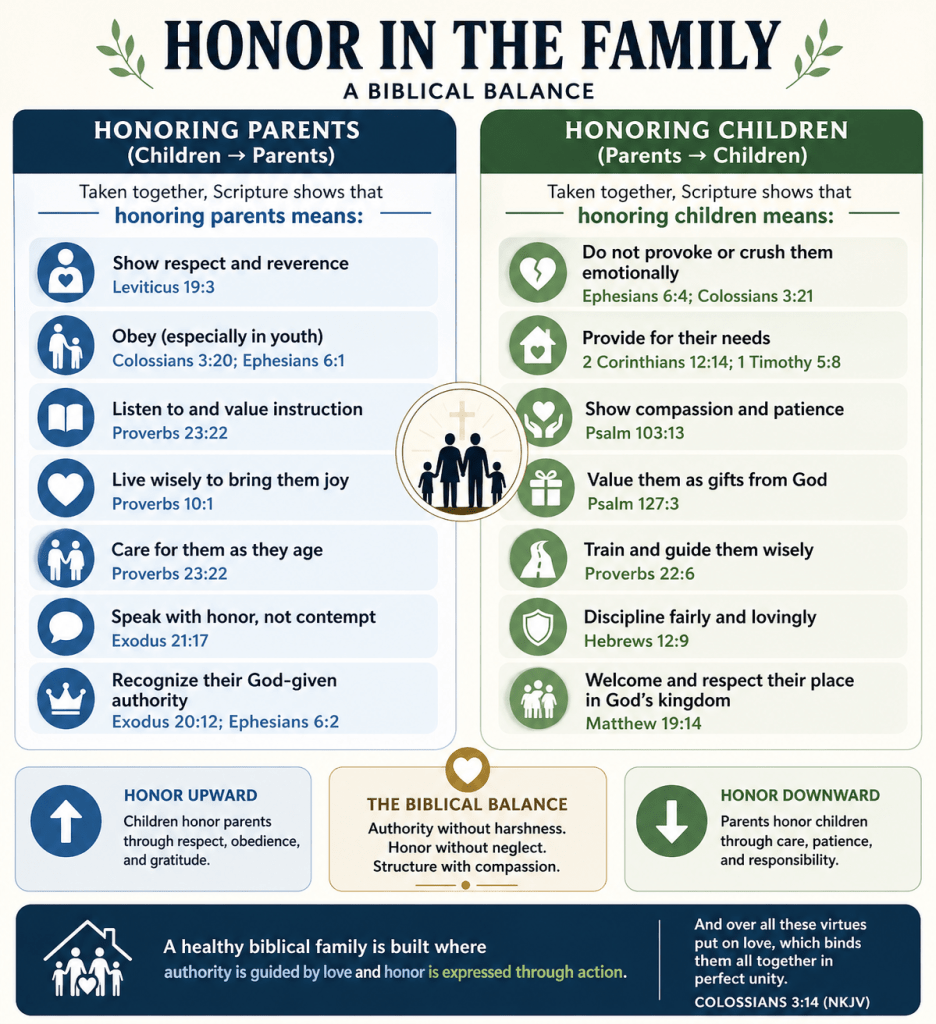
When parents consistently infringe upon the Biblical rights of the child, when they constantly fail to live up to their role as protectors and providers, children are allowed to set severe and strict boundaries for their own safety, including no contact.
The difficulty comes in determining what enforcing healthy boundaries actually looks like.
It’s ok to create distance between your parents.
The problem arises when disrespect is added to the equation.
As unfair as it may sound, it’s never ok to disrespect your parents in the same ways they disrespect you.
Christians are not called to live by “Eye for an Eye” measurements.
Disrespect includes actions like yelling, cursing, condemning, and assaulting.
For those with severe trauma, this rule can be extremely hard to follow.
When anger, disappointment, and fear have been repressed since childhood, it’s easy to allow these turbulent emotions to rule your spirit.
Yet, when taking a stand against tyranny, one must be as wise as a serpent and harmless as a dove.
standing on business

I’ve had numerous skirmishes with my parents over the years, but I’ve often addressed them in ways that were not pleasing to God.
It can be hard to toe the fine line between fairness and ferocity, especially when emotions are running high or when old wounds fester.
Now that we have an understanding of familial relationship dynamics in the Bible, we’ll look at a few practical examples of children righteously challenging their parents directly from Scripture.
Abraham Leaves His Family: Genesis 12
- Context: God calls Abraham to leave his country, his people, and his father’s household to go to a land He would show him (Genesis 12:1–4). This meant stepping away from familial authority and cultural expectations.
- Response: Abraham obeys God’s command immediately, even though it meant separating from his father’s household and everything familiar.
- Significance: This is less about rebelling against parents and more about prioritizing God’s direct call over family ties. It establishes a foundational principle: allegiance to God can require leaving parental authority structures.
Jonathan and Saul: 1 Samuel 19–20
- Context: Jonathan is the son of King Saul. Saul becomes consumed with jealousy and seeks to kill David, who is innocent and chosen by God.
- Response: Jonathan defies his father’s command and protects David, warning him and helping him escape, even at great personal risk.
- Significance: Jonathan’s actions show that loyalty to God’s righteousness overrides loyalty to parental authority when that authority becomes corrupt or unjust. Importantly, Jonathan still honors Saul relationally (speaking respectfully, advocating wisely) while refusing to participate in sin.
Jesus and His Family: Matthew 12:46-50
- Context: While teaching, Jesus Christ is told that His mother and brothers are outside asking to speak with Him.
- Response: Jesus does not immediately go to them. Instead, He points to His disciples and says that whoever does the will of God is His true family.
- Significance: This moment reframes authority and belonging: spiritual obedience to God takes precedence over even the closest family relationships. It’s not dishonor, it’s a reordering of priorities around God’s kingdom.
Throughout the Bible, we are repeatedly shown that divine authority outranks parental guidance.
When parents infringe on a child’s liberties, a fight-or-flight decision must occur.
Before deciding to confront a family member, consider two key truths.
First, the Bible states that if we don’t call certain people to repentance, we can also be held accountable for their sins.
When I say to the wicked, ‘You shall surely die,’ and you give him no warning, nor speak to warn the wicked from his wicked way, to save his life, that same wicked man shall die in his iniquity; but his blood I will require at your hand.
Ezekiel 3:18
Perhaps the Most High sent you into your specific family to serve a role similar to Jonah’s.
You might be a cornerstone in God’s plan to spread the gospel!
Second, if your parents don’t respond to the good news, if they refuse to acknowledge their sin, you are to wipe the dust off your feet and move on.
And whoever will not receive you nor hear your words, when you depart from that house or city, shake off the dust from your feet.
Assuredly, I say to you, it will be more tolerable for the land of Sodom and Gomorrah in the day of judgment than for that city!
Matthew 10:14-15
We are not called to convince or persuade people.
Remember that the seed doesn’t always fall on good ground!
Many people throughout the Scriptures have been forced to choose between God and family.
The next time you are presented with a similar decision, remember the examples set by Abraham, Jonathan, and Jesus.
license to kill
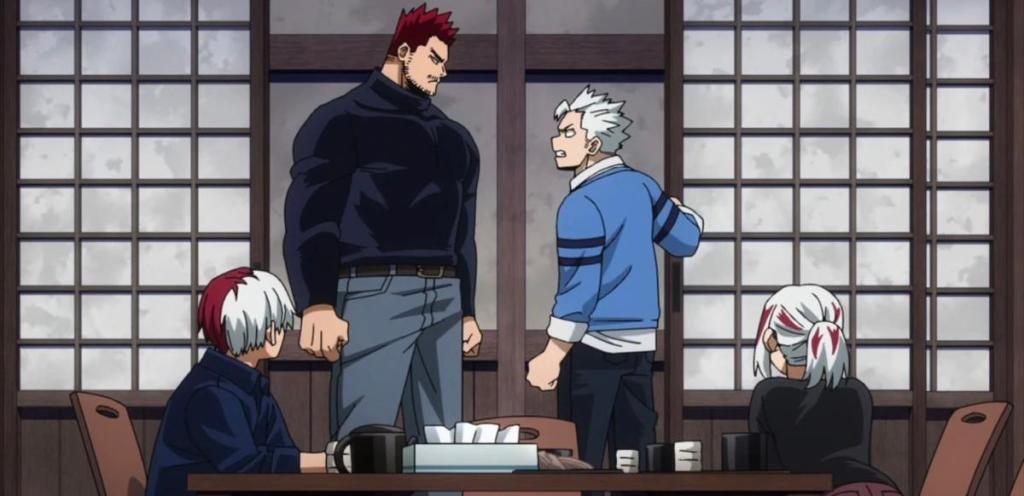
Far too often, parents try to reap the fruits of a harvest they didn’t sow.
They seek the benefits of a healthy relationship that they failed to cultivate.
They expect their children to behave in ways that require them to ignore and repress the trauma they endured.
The result of this continued emotional and psychological abuse is the death of the spirit.
Or in other words, slow suicide.
Authority is never a license for harshness, and honor should never be reduced to mere obedience.
Holding your parents accountable for their treatment of you is NOT disrespect or dishonor; it is righteous resistance against spiritual warfare.
Even if your family story is marked by pain or disappointment, remember that healing and restoration are always possible with God.
He sees your struggles, honors your courage, and walks beside you as you pursue truth, healing, and hope (Psalm 34:18).
To end, remember these key takeaways:
- God’s authority is ultimate, even above parents.
- Separation may be necessary when obedience to God is at stake.
- Righteous resistance is not rebellion, it is alignment with God.
- Honor can still be maintained in posture, even when disobeying in action.
Bye Chance!

