November 17, 2024 / 8 Min Read
devil dresses
A woman shall not wear a man’s garment, nor shall a man put on a woman’s cloak, for whoever does these things is an abomination to the LORD your God.
Deuteronomy 22:5
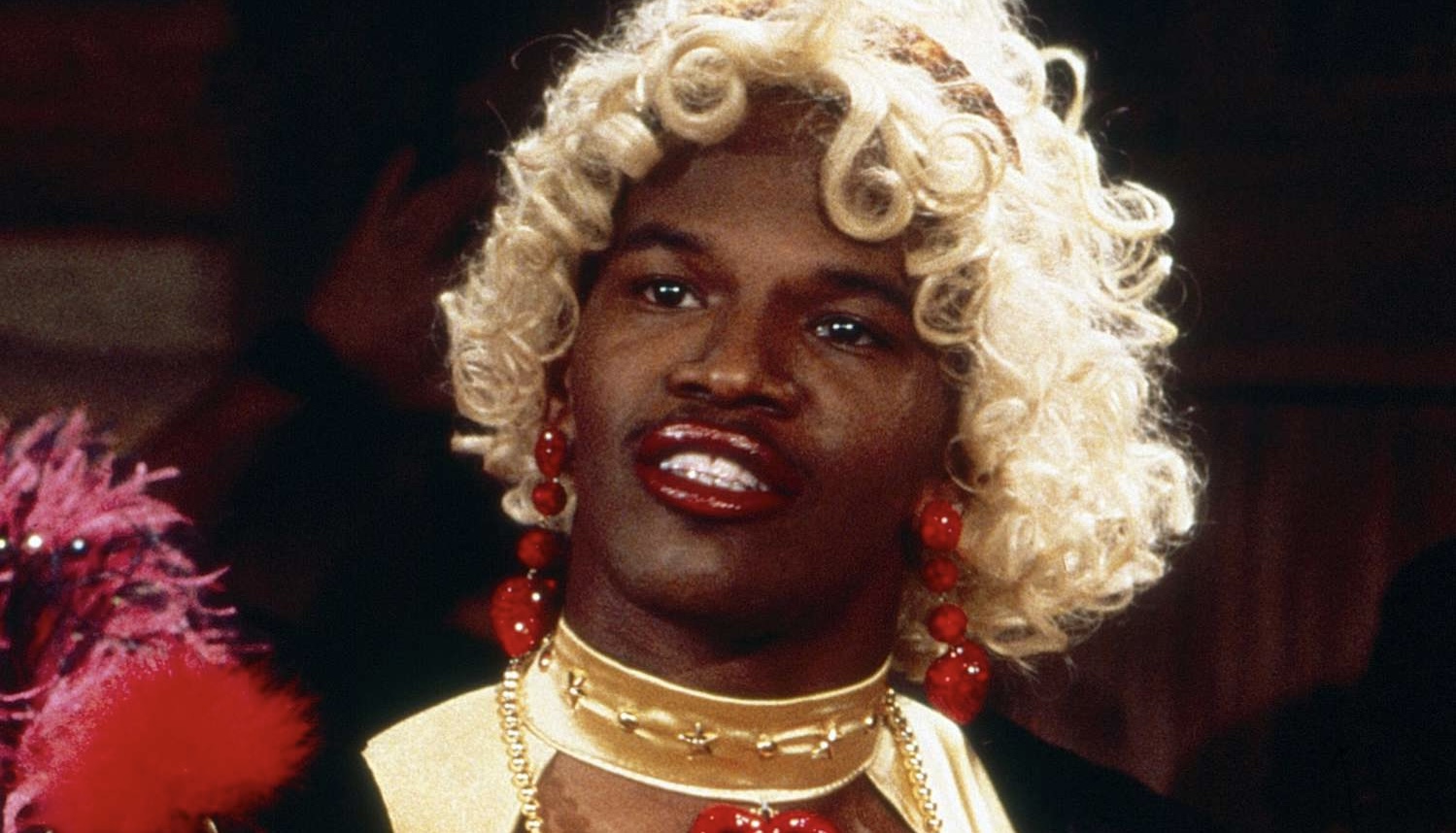
Since its inception, cross-dressing has been a hallmark of the entertainment industry.
Throughout the ages, men have donned feminine attire to inspire and enthrall the masses.
While some may view this as a recent phenomenon, history shows that this practice has always served as a core component of mainstream media.
Why you ask?
Because the god of theater is Satan of course!
Throughout this article, we will explore the history behind cross-dressing in the entertainment industry.
theological theater
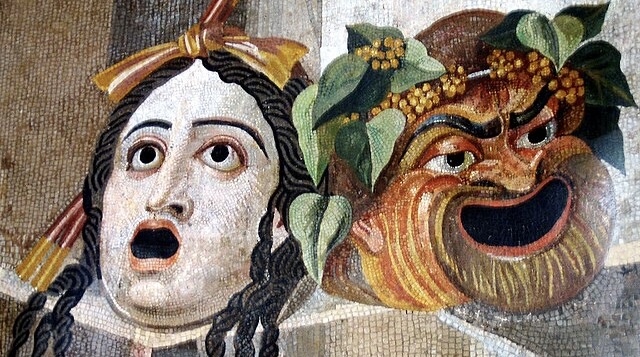
To understand why cross-dressing is such a prominent theme throughout mainstream media, we must first review the genesis of modern entertainment.
While many historians speculate that theatrical events were hosted by the people of Kemet and Sumer, most scholars trace the origins of modern western entertainment to Greece.
The theatre of ancient Greece, or ancient Greek drama, is a theatrical culture that flourished in ancient Greece between c. 550 and c. 220 BCE.
The city-state of Athens, which became a significant cultural, political, and military power during this period, was its center, where it was institutionalized as part of a festival called the Dionysia, which honored the god Dionysus. Athens exported the festival to its numerous colonies and allies in order to promote a common cultural identity.
Western theatre originated in Athens and its drama has had a significant and sustained impact on Western culture as a whole.
Via: Overview – Theatre of Ancient Greece
Contemporary theater originated in Athens during an annual festival known as the Dionysia.
The most important aspect to understand about the origins of theater is that it was primarily a religious and ritualistic practice.
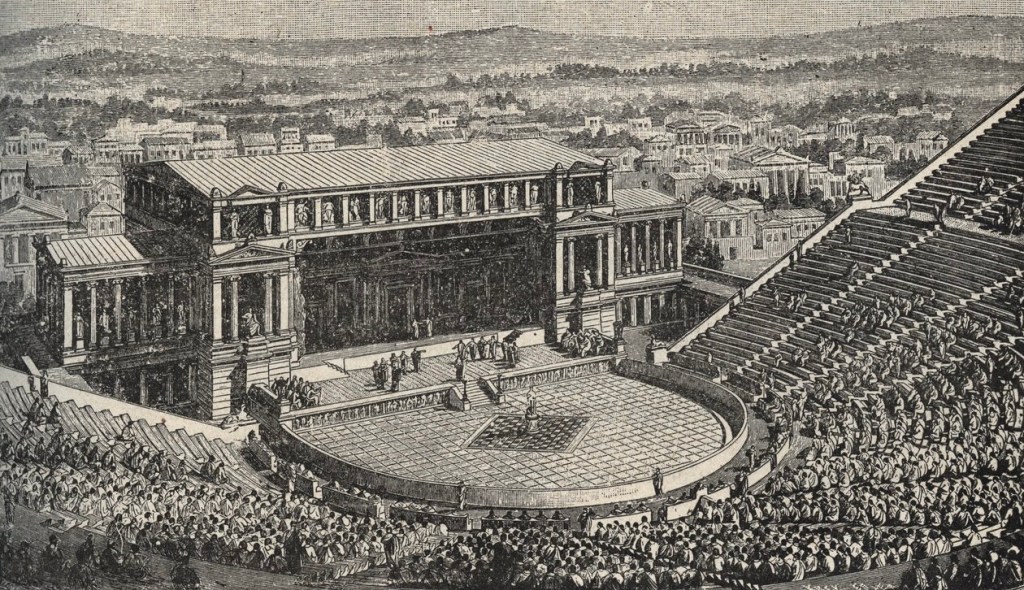
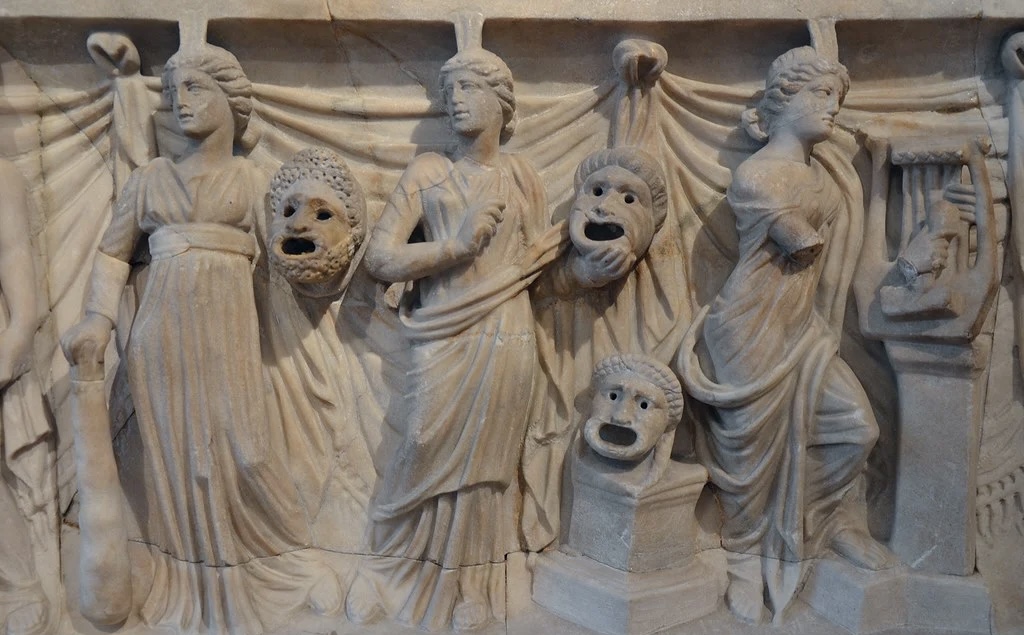
These plays were not shown for the sole purpose of entertainment.
They were first and foremost meant to serve as a form of idol worship for the god Dionysus, while also exposing the masses to pagan ideologies and culture.
The role of drama in Classical Greece went beyond mere social obligation: it was a deeply ritual rite as well, one tied inexorably to the cult of Dionysus.
Plays were watched during the Dionysia and Lenaia, annual dramatic festivals. During the Dionysia, three tragedians would produce three tragedies and a satyr play, along with the comedies of five comedic playwrights, to be judged both for prizes and for the glory of the god.
Cross-dressing performed a central role in the production of these plays.
Via: Cross-dressing in Greek Drama: Ancient Perspectives on Gender Performance
A significant component of the ritualistic Dionysian plays was the practice of cross-dressing.
On the surface, it appears this custom can be attributed to the sole fact that women were not allowed to participate in the theater during this time. While factually correct, this understanding is incomplete.
When researching the mythology and characteristics associated with Dionysus, it becomes clear why cross-dressing was so important to his followers.
dionysus the demon

Dionysus, also known as Bacchus, was one of the most important entities in the Greco-Roman pantheon.
Aside from his title as the god of theater, Dionysus also served as the patron god of transgenderism and androgyny.
Dionysus is best known for being the god of wine, but he is so much more than that. Besides wine, he is also the god of grape harvesting, ritual madness, ecstasy, the life force, fertility, theater, and divine androgyny.
From the time of his birth Dionysus’ nature of duality starts to become clear. He is “born” of a man instead of a woman. From a young age he was clothed in garments made for women, and he was raised (at least partially, as a woman).
Later in life Dionysus never got rid of his womanly clothing. It was Cybele who gave him his characteristic long, effeminate robes that he wears in artwork. Women were particularly drawn to the cult of Dionysus because the worship of the god provided them an outlet to express their repressed desires.
In the same way that Dionysus is a god of duality in the realm of gender, he is also a god of duality in the theatrical realm. Dionysus is able to make a tragedy funny, the same way he can make a man feminine, or a woman masculine.
Via: Dionysus and His Cult and Worship: A Gender Study
As we’ve discussed ad nauseam throughout this series, the pagan deities are all manifestations of Satan.
Unlike the Most High of the Bible, who is stable and unchanging, Satan has many names and many faces.
Dionysus is just one of the many alter egos of the wicked one.
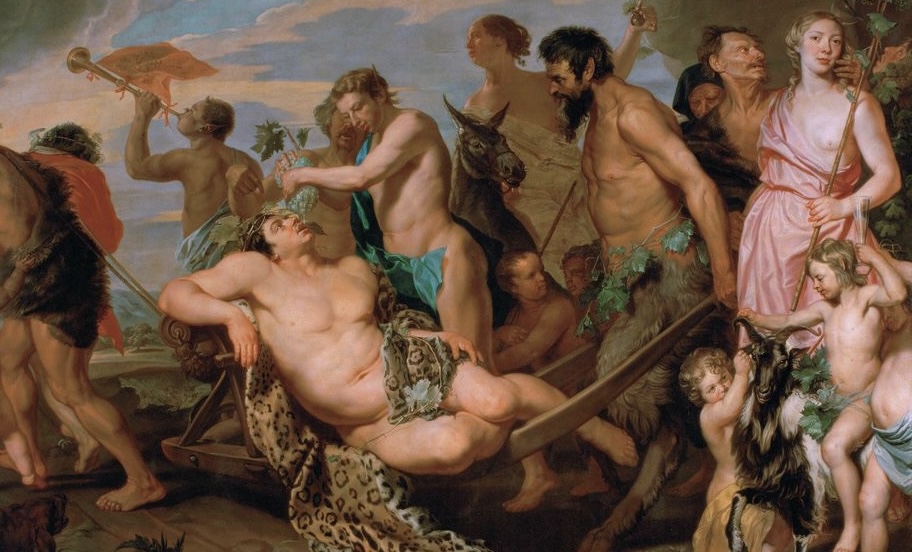

The Dionysian cults placed a strong emphasis on the concepts of gender fluidity and the assimilation of masculine and feminine, worshipping Dionysus as a divine, perfect being.
In attempts to grow closer to the god, his followers participated in various rituals, one of the chief among them being the practice of cross-dressing.
new dogs, old tricks
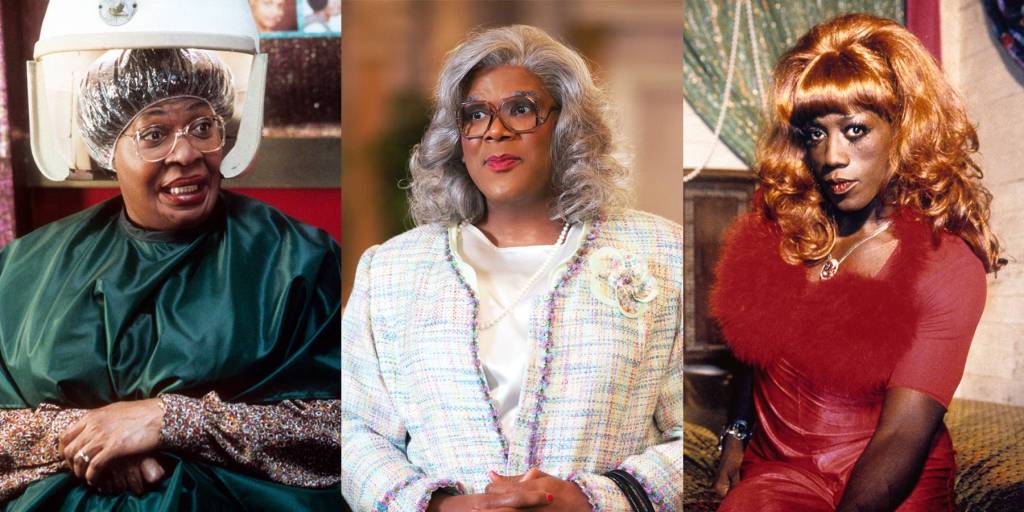
For the first audiences of plays like the Agamemnon, Medea and Bacchae, the theatre was the ancient equivalent of Hollywood – mass entertainment and big business.
Via: An introduction to Ancient Greek Theatre
The Bible states that there is nothing new under the sun.
Like the days of Noah, our present age is drowning in unabashed wickedness.
Hollywood is filled with new dogs doing old tricks.
The phenomenon of cross-dressing in the entertainment industry is not a recent invention, but instead a continuation of the rites and rituals practiced in antiquity.
Cross-dressing is recorded worldwide from the ancient past up to the present. In the ancient world, cross-dressing often mirrored gender-crossing actions of deities.
In this context, it was tolerated, even supported, as an aspect of religious devotion. Also in this context, the transformation of gender is often associated with the process of coming closer to divinity by breaking down the categories of ordinary human experience.
The manipulation of dress, therefore, is the most visible and convenient way for human beings to do what divine beings accomplish by other means, including crossing gender.
Perhaps the best known example of a divine gender-bender was Dionysus. Greek literature scholar Albert Henrichs called Dionysus “the most versatile and elusive of all Greek Gods,” as he was perceived as both man and animal, male and effeminate, young and old.
Via: Ancient History of Cross-Dressing
It may sound far-fetched, but most of the movers and shakers in Hollywood worship pagan deities, and by proxy, Satan.
I want to clarify that I do not entirely blame the celebrities who serve as the faces of this wicked practice.
I genuinely believe (or at least hope) that many of the public figures we’ve come to know and love are unaware of the true powers and principalities that galvanize mainstream entertainment.
I imagine they operate as mere puppets for the true shot callers and bigwigs behind the scenes who have full knowledge of the history and purpose behind the ancient practices they promote.
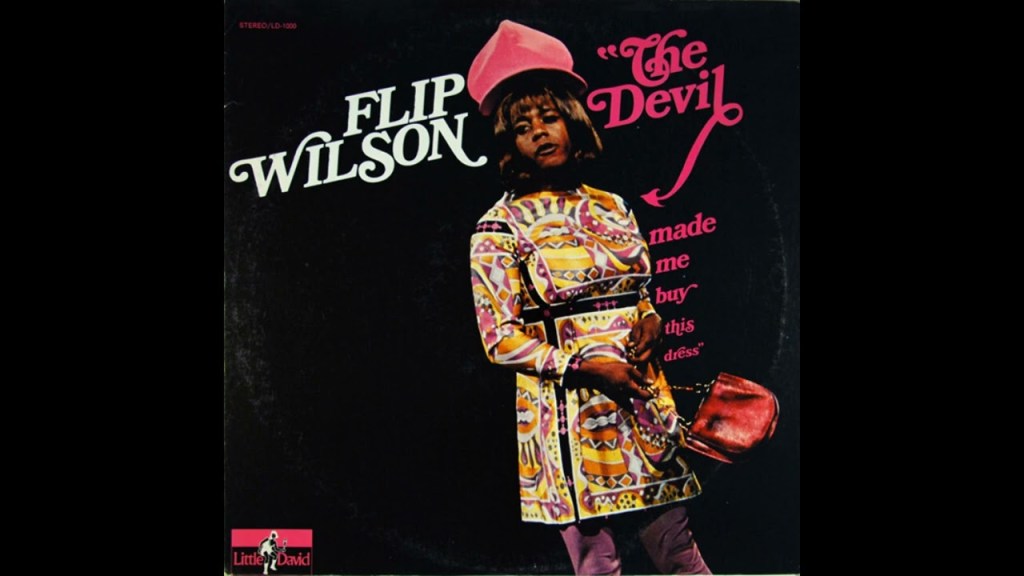

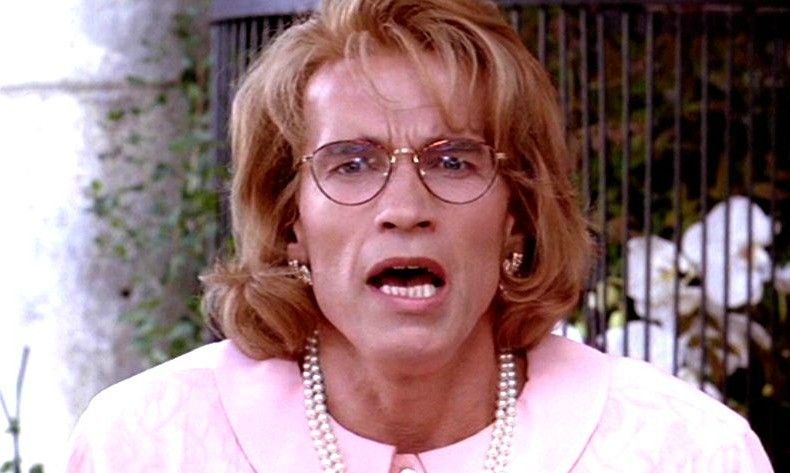
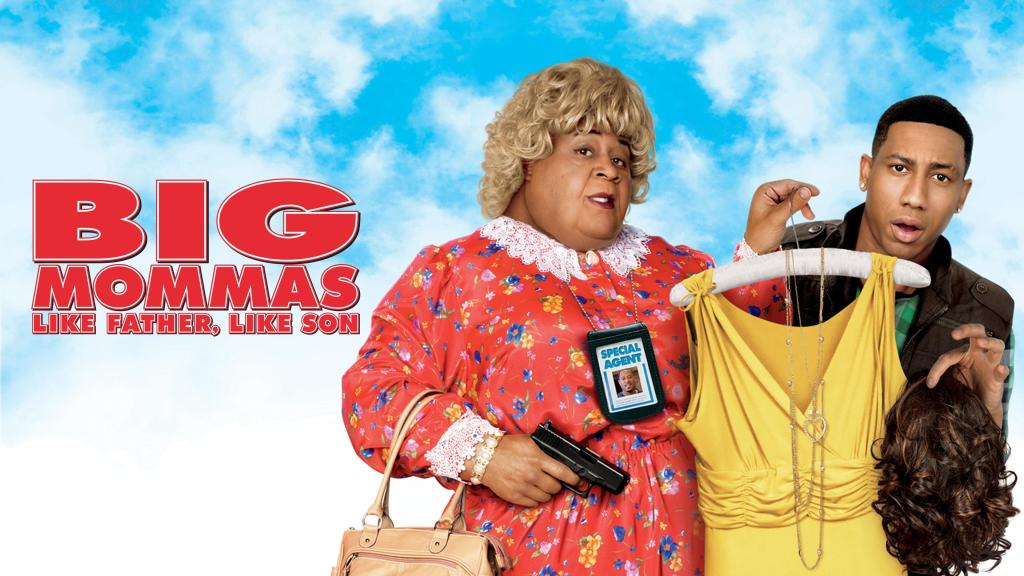
Cross-dressing has been and will likely continue to be a staple of western entertainment.
I believe the solution to this issue lies, not in attempting to change the industry, but in embracing and creating alternative forms of media.
Due to recent technological advancements such as social media and Gen AI, the glass ceiling on becoming an influencer has been lifted. We are no longer solely limited to what we see on TV or hear on the radio.
Today, everyone is a journalist.
Today, anyone can be heard.
From the outset, mainstream theater has served as a propaganda machine for pagan culture. The demonic rituals practiced throughout the entertainment industry are not idiosyncratic, but instead the result of a systemic issue.
Rejecting the ritualistic practice of cross-dressing and promoting a cultural shift towards more independent, biblically-based media, will symbolize a major step forward in establishing God’s ultimate vision for our world.
To end, remember these key takeaways:
- Modern day western theater traces its origins to the Dionysian festivals of Athens.
- The plays in ancient Greece served primarily as religious rituals and idol worship for the god Dionysus.
- The Greco-Roman god Dionysus was an androgenous entity who served as one of the early promoters for the LGTBQ movement. He was also known for cross-dressing.
- Many powerful people throughout the entertainment industry still worship Dionysus by promoting concepts like cross-dressing and gender fluidity.
Bye Chance.
references
1 https://www.youththeatre.utah.edu/wp-content/uploads/2020/06/Greek-Theatre-Handout.pdf
2.https://trace.tennessee.edu/cgi/viewcontent.cgi?&article=2852&context=utk_chanhonoproj
3.https://www.academia.edu/12423679/Dionysus_and_His_Cult_and_Worship_A_Gender_Study
4 http://www.apgrd.ox.ac.uk/learning/an-introduction-to/an-introduction-to-ancient-greek-theatre
5.https://www.apgrd.ox.ac.uk/learning/introductions-to/ancient-greek-theatre
6.https://web.eecs.utk.edu/~bmaclenn/Classes/US210/City-Dionysia.html
 by chance