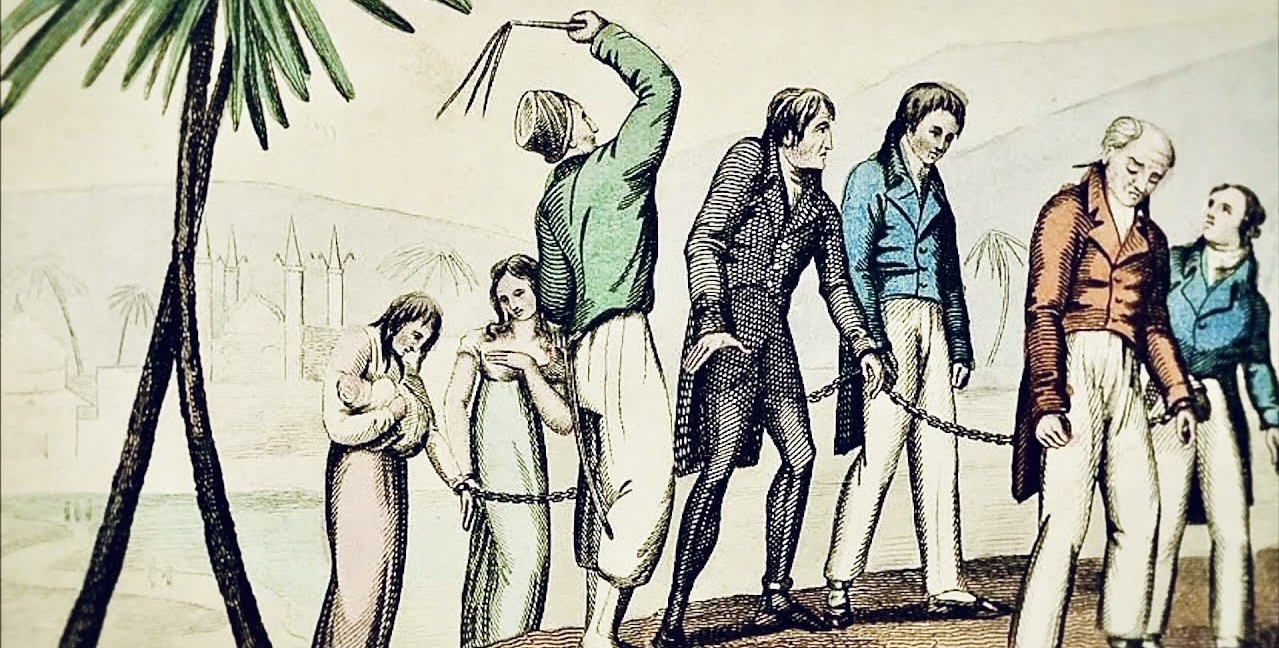
July 21, 2024 / 12 Minute Read
white slaves in early america
To admit the true history of white slavery and record it faithfully in modern history is to furnish empirical evidence that white skin does not necessarily embody power or status.
They Were White and They Were Slaves: Pg. 110
For the majority of my life, I grew up with the understanding that black people, and only black people, were slaves in early America.
But what if I told you that wasn’t true?
What if I told you that white people were slaves too?
I know that might sound crazy based on the narrative we’ve been fed our entire lives, but it’s the truth.
Most Americans, myself included, have grown up with a tainted worldview regarding the history of slavery in our oh-so-glorious country, and I think it’s time to shine some much-needed light on this ever-polarizing topic.
Throughout this article, we will explore the history of white slavery in early America.
servants or slaves?
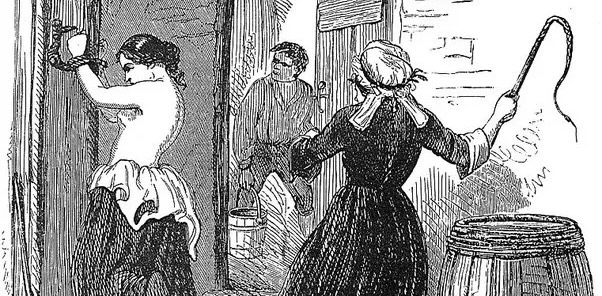
Before we begin, I think it’s important address the parameters of white slavery, and how it differed from the bondage blacks faced.
The main difference is that white people were often classified as “indentured servants” while blacks were later classified as chattel slaves (lifelong servants).
Of course black slavery had hideous aspects that whites did not experience, but they suffered horrors in common, many of which were first endured by whites.
In crude economic terms, indentured servants sold their labor for a set period of time. In reality they sold themselves. They discovered that they were placed under the power of masters who had more or less total control over their destiny.
The indentured servant system evolved into slavery because of the economic goals of the early colonists: it was designed to provide a cheap and compliant workforce for the cash crop industry. Once this was established, to keep the workforce in check it became necessary to include legal sanctions that included violence and physical restraint.
This is what led to slavery: first for whites, then for blacks.
White Cargo: Pg. 15
Many historians try to minimize the reality of white slavery by focusing on their legal status as indentured servants, using this seemingly innocuous term to hide the truth of the matter.
They are slow to reveal that many of these indentured servants were whipped, beaten and killed long before their indenture period was over, exactly like the blacks they are so eager to discuss.
They also frequently fail to mention that many of the various white slaves that ended up in the colonies were FORCEFULLY sold into indentured servitude and held in chains for life.
english slaves
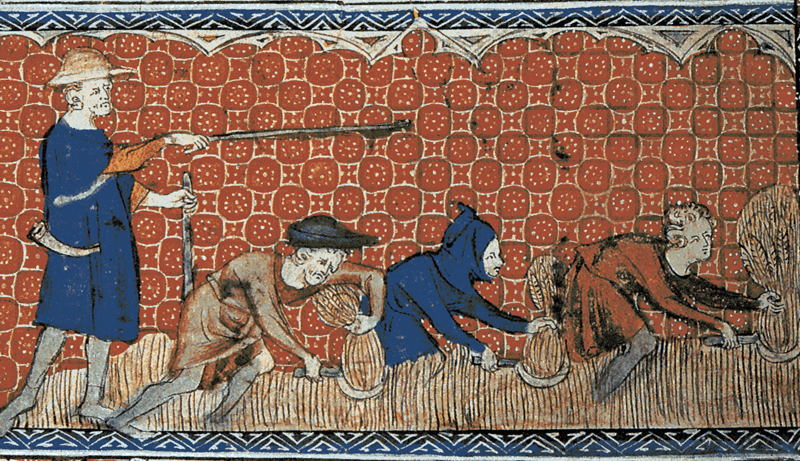
Before white slavery in America, the stage was set long before in England.
Recognizing the history of white servitude in England will help us understand how the practice was perpetuated in early America.
The root of the holocaust against the White yeomanry (working class) of Britain lies in the history of the land swindles perpetuated against them in the late 12th and 13th centuries.
As the lords obtained their rights against the king, as organized by the Magna Carta, they used them to expropriate the land rights of the yeoman. Ownership was transferred to the lords and the people were allowed to remain on their ancestral lands with something akin to sharecropper status.
By The 17th century this tenancy was being eroded by the introduction of enclosure laws which fenced off land used by the people as the landlords exercised their “property rights.” The net effect was the eviction of people from the land.
They Were White and They Were Slaves: Pg. 17
Here we see Medieval gentrification in action.
As the working class of England were continuously dispossessed, they began to form a class of delinquents.
In response to this growing class of villains, the English government began to establish “Poor relief systems.”
One form of “Poor relief” was enslavement in the American colonies.
bad and boujee
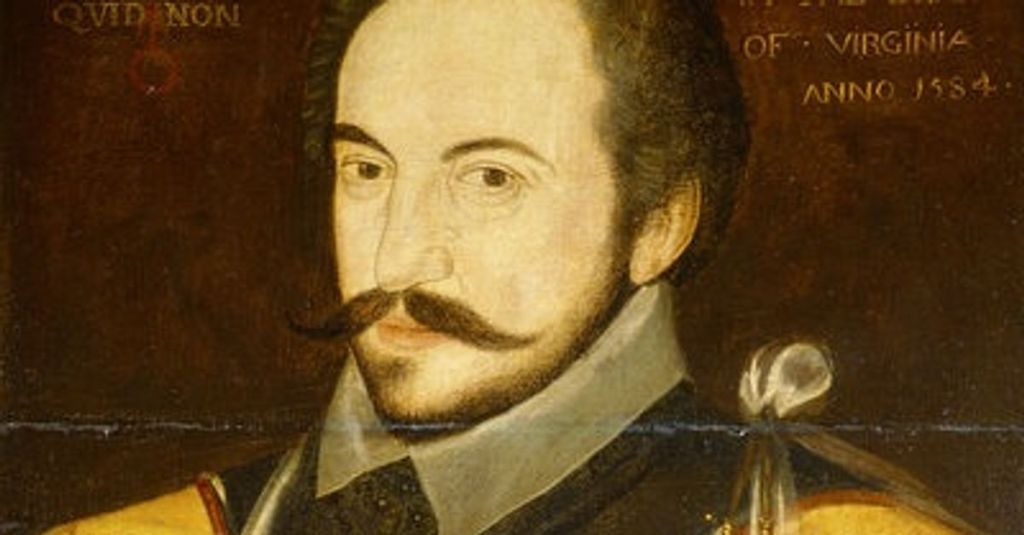
One of the catalysts for the white slave trade was the fear that England was in danger of being overwhelmed by the poor and lawless.
White Cargo: Pg. 21-22
The growth of disenfranchised and angry citizens struck fear into the hearts of the English rulers.
In response, they began to brainstorm ways of eliminating these undesirables, and their new enterprises in America provided the perfect opportunity. English settlements in America were in desperate need of workers, so they began to ship disenfranchised citizens off to the colonies.
These exported undesirables were mainly comprised of three main groups: children, criminals, and the kidnapped.
children

While the Spanish slaughtered in America for gold, the English had to plant for their wealth. They needed a complainant, subservient, preferably free labor force, and since the indigenous peoples of America were difficult to enslave, they turned to their own homeland to provide.
They Imported Britons deemed to be “surplus” people – the rootless, the unemployed, the criminal and the dissident – and held them in Americas in various forms of bondage for anything from three years to life.
Among the first to be sent were children. Some were dispatched by impoverished parents seeking a better life for them, but others were forcibly deported.
In 1618 the authorities of London began to sweep hundreds of troublesome urchins from the slums and shipped them to Virginia.
White Cargo: Pg. 12
Children were prime targets for a multitude of reasons.
They were young and impressionable, easy to manipulate, and more spry than than their adult counterparts. They required less food, less space, and were less threatening.
Most importantly, they were easier to control.
criminals
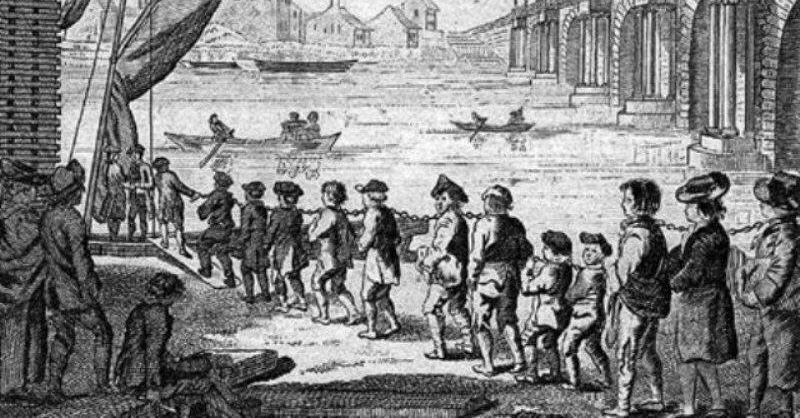
A second group of forced migrants from the mother country were those such as vagrants and petty criminals, whom England’s rulers wished to get rid of. The legal ground was prepared for their relocation by a highwayman turned Lord Chief Justice who argued for England’s gaols to be emptied in America.
Thanks to men like this, 50,000 to 70,000 convicts were transported to Virginia, Maryland, Barbados, and England’s other American possessions before 1776.
White Cargo: Pg. 13
Like any community filled with death, disease, and dishonor; crime began to run rampant in the English gallows.
Poor relief systems like the factories and workhouses paid pennies on the dollar and subjected workers to heinous conditions. Anger and frustration grew, and the oppressed increasingly embraced a nefarious lifestyle.
As jails began to fill, the English rulers decided to start dumping prisoners into the colonies.
Many of the criminals shipped to the Americas were also comprised of political prisoners from England’s various conquests, including the Scottish and Irish.
spirited away
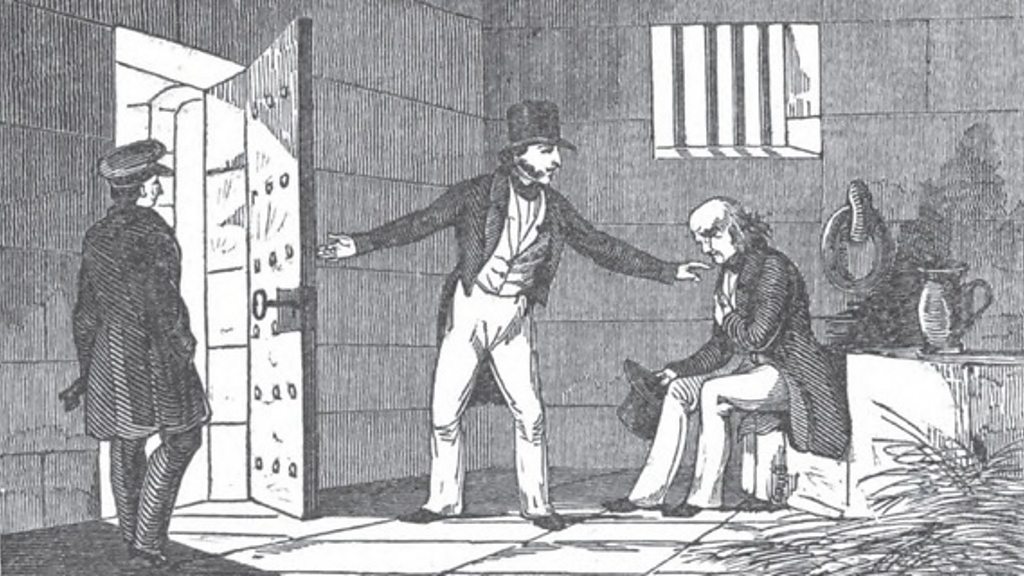
The insistent demand for labor in the colonies gave rise to kidnapping. By the middle of the seventeenth century, kidnapping was a flourishing business. In 1649 William Bullock, a slave owner in both Virginia and Barbados, wrote that his usual way of getting servants involved using a group of men nick-named spirits. Spirits became the colonies chief recruiting officers.
Spirits required accomplices: strong men and fences, dealers in stolen goods, ship captains, merchants, and corrupt officials in both Britain and America. The usual operation involved luring the innocent, the gullible, and the drunk into makeshift prisons where they could be held until a ship was found for them.
Laws were passed to control spiriting, but they did little good. Spiriting was a convenient way for society to rid itself of the unwanted poor and homeless. Very often, the government simply decided it had more important matters to deal with.
White Cargo: Pg. 127, 129
Spirits were essentially like army recruiters, except instead of recruiting people for the military, they instead enticed gullible citizens to sell themselves into bondage.
Thousands of white men, women, and children were tricked and stolen from their homes by the treacherous men known as spirits, destined for a life of hardship and indignity.
irish slaves

The Anglo-Norman expeditions into Ireland marked the start of a sorry and drawn-out history of enmity and struggle. The colonization of Ireland led to a large proportion of the indigenous population becoming rootless. The English colonists found they faced similar problems to those they had at home. Wandering vagabonds and vagrant villains roamed the land.
Eventually, an Irish confederacy was formed to fight the English, but it was riven with disagreements and military flaws.
The English Parliamentarians decided to take firm action. An act was passed in 1642 to raise finance for an army to crush the Irish. The Irish, their religion, and their propensity for siding with England’s enemies would be crushed once and for all. The Irish became outlaws in their own land and their former property would be sold off at below market prices to pay for the military operation that would have taken it from them.
White Cargo: Pg. 140, 141, 145
The Irish, similar to Africans, have a history of invasion, displacement, and enslavement.
After being conquered by the English, the Irish were uprooted and their land was stolen. Similar to the English yeoman in the 13th and 14th centuries, this cultural destruction led to a class of Irish undesirables.
Can you guess what England decided to do with them?
An interesting two-way trade in people was developing in which something beneficial emerged for both those wanting to colonize Ireland and those backing America: native Irish could be deported to feed the voracious labor market in America while making room in Ireland for colonizers from England.
The destruction of the Irish was to be carried out by three methods: starvation, banishment to the West or Continental Europe, and transportation across the Atlantic.
Priests, defeated soldiers, men, women, and children were all shipped off at various times from various locations. The transportation of the Irish began in the 1640s and reached a high in 1652-3.
White Cargo: Pg. 146 – 147
The Irish experienced similar circumstances to those of their swarthy counterparts. In fact, due to their similar circumstances, the Irish and Africans frequently collaborated in slave revolts and mass rebellions against their English overlords.
This was one of the key contributors to the social separation of the so-called Black and White races.
In Barbados. The landowners’ perennial fear of mass rebellion by Irish and Africans combined lead to the exclusive use of African labor.
By the last decade of the seventeenth century, the Irish had become so rebellious and mistrusted by the authorities that African slaves were recruited into the very militia that had the task of putting down slave rebellions. Africans carried arms to police both other Africans and their European colleagues in servitude.
White Cargo: Pg. 192
Similar to today and throughout all of history, those in power created a fantastical distinction between two groups with the same goals, encouraging them to fight each other instead of their true enemies.
the race card
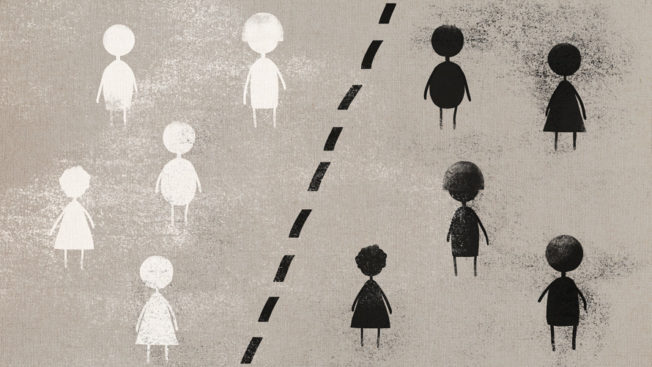
In 1696, amidst the aftermath of Bacon’s Rebellion, a nightmare vision was conjured up of armed blacks and whites rising in unity against the planters.
The colonizers played the race card.
The status of the European servile class was upgraded, and a sense of racial superiority was instilled. Meanwhile, the process of degrading non-whites was accelerated. Law after law deprived Africans and Native Americans of rights. In parallel, whites gained rights and privileges.
Eventually, a racial wedge was thrust between whites and blacks, leaving blacks officially enslaved and whites apparently upgraded but, in reality, just as enslaved as they were before.
White Cargo: Pg. 12, 212
Here, we see the origin of modern-day race relations: the beginning of the war between whites and blacks.
The biggest fear of the conqueror is being conquered himself.
Fear of unity among the oppressed drove the English colonizers to use social and political subterfuge to drive a fallacious wedge between groups of people with the power to end their tyranny.
It’s not and has never been about race.
It’s about who has power and how they choose to wield it.
i’m not your enemy
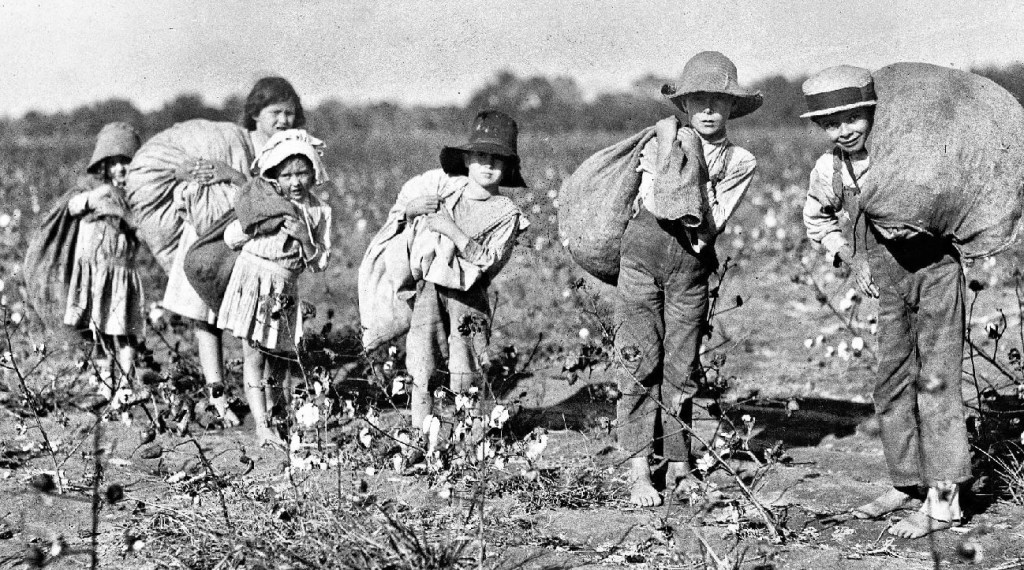
According to the Oxford English Dictionary, the word slave is another name for the White people of Eastern Europe, the Slavs.
In other words, slave has always been a term and definition for a servile condition of White people.
They Were White and They Were Slaves: Pg. 14
For far too long, both black and white people have been misled and bamboozled regarding the true history of the American slavery issue.
But that time is coming to an end.
While slavery in America did become exclusive to so-called black people later on, in the beginning, this wasn’t the case.
Despite the narrative, despite the conspiracies and cover ups, the truth will always prevail, and the truth is . . .
White people were slaves too.
To end, remember these key takeaways:
- White indentured servitude paved the way for black chattel slavery.
- Despite most whites being officially labeled as “indentured servants” many of them faced identical circumstances to those of black slaves including being whipped and killed.
- The British land swindles of the 13th and 14th centuries created a class of English undesirables.
- One method used by the English Parliament to get rid of the undesirables was to sell them into slavery in the American colonies.
- The English slaves in America were comprised of primarily children, criminals, and the kidnapped.
- The Irish were also colonized and enslaved by England. Many of them were sold into slavery in early America as well.
- Fear of blacks and whites rebelling together led to the creation of a fallacious distinction between the two races.
Bye Chance.
references
Hoffman, Michael A. They Were White and They Were Slaves: The Untold History of the Enslavement of Whites in Early America. The Independent History & Research Company, 1993.
Jordan, Don, and Michael Walsh. White Cargo: The Forgotten History of Britain’s White Slaves in America. Mainstream Digital, 2011.
 by chance