May 19, 2023 / 4 Minute Read
hero worship
What is a hero?
An inspiration?
A role model?
An idol?
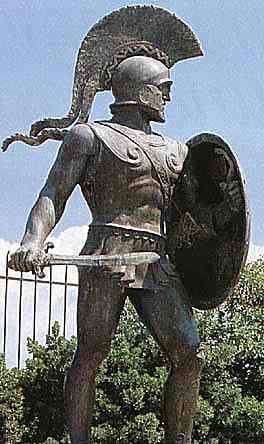
In ancient times, tales were told about the greatness of figures such as Hercules, Achilles, and Perseus.
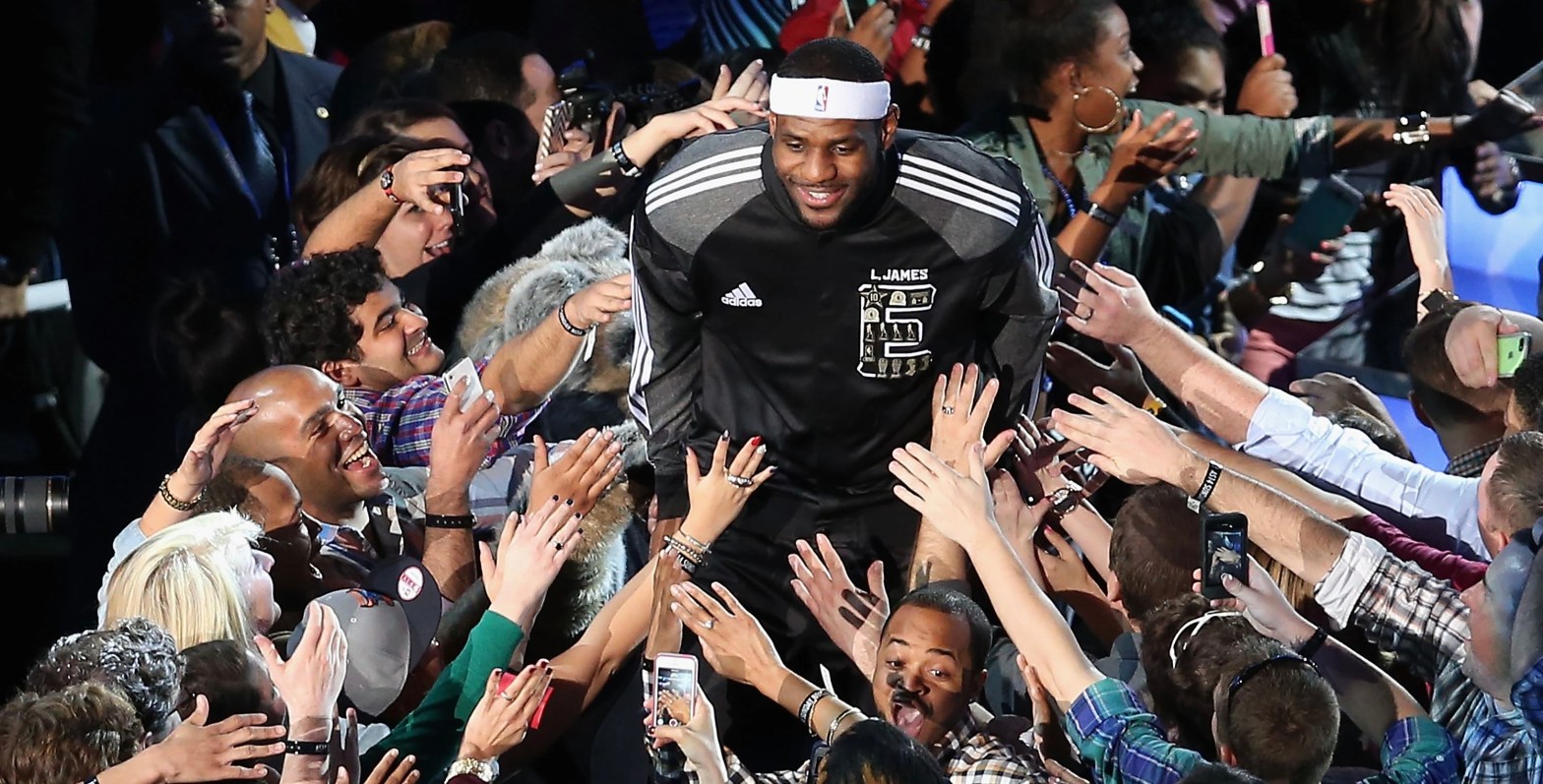
In modern times, we hear stories of characters like LeBron James, Malcolm X, and Barack Obama.
While these stories may seem appealing and inspiring, I can assure you that our “heroes” are not who they claim to be.
Throughout this article we will be exploring the concept of the Greek Hero Cult, and how this tradition of idolatry has translated to modern times.
i need a hero

The ancient Greek hero is the pinnacle of success and arete (prowess): one whose actions reverberate through the centuries and whose power can influence the world even after death.
These powerful, superhuman figures were extremely important in Greek life, holding great significance in political, social, and religious life. Heroes were used to help explain the way the world was, teach lessons, and explore themes of tragedy and virtue.
Via: https://sites.rhodes.edu/sackett/hero-worship
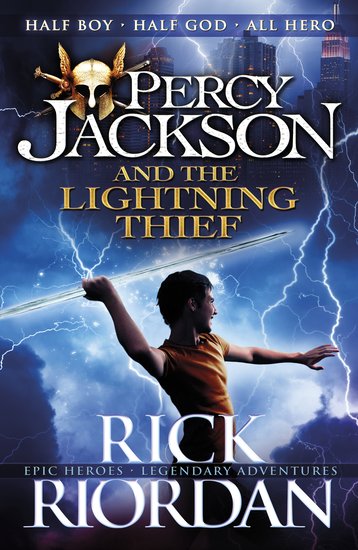

In simple terms, heroes were basically ancient celebrities.
Men and women who accomplished amazing feats during their life, and were in turn, immortalized after their death.
Similar to how politicians, athletes, and artists are immortalized for their worldly contributions in modern times.
hometown heroes
Further synchronizing the ancient heroes with modern celebrities is the fact that Hero Cults were location specific. Every Greek city had their own set of hometown heroes.
Hero cults were confined to a specific locale. There were literally thousands of hero-cults throughout the locales of the ancient Greek-speaking world. Every locale had its own set of local heroes.
Via: https://www.uh.edu/~cldue/3307/herocults.html



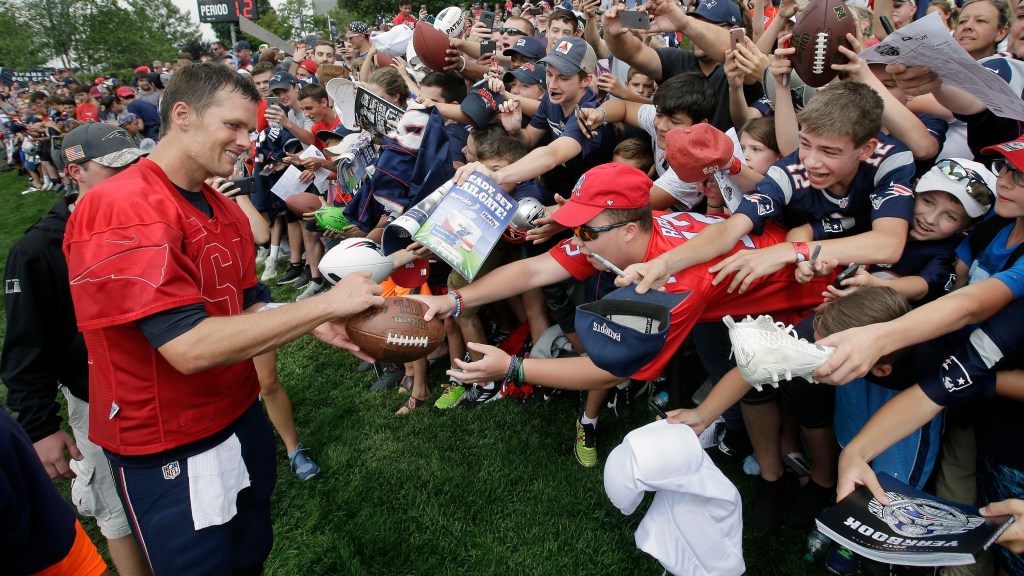
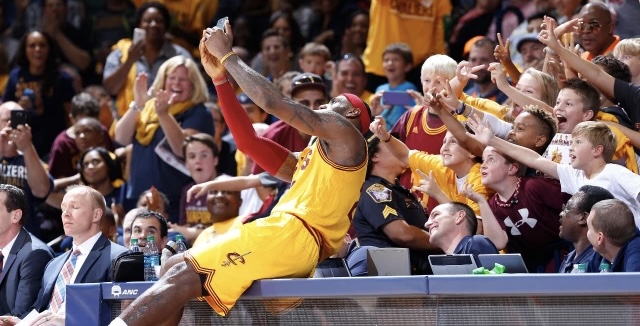
In modern times, we have professional sports teams and athletes.
Every team is based in a specific area, and each locale has a specific set of teams (Cults) and athletes (heroes) that they worship.
Just like the Hero Cults of antiquity.
propaganda

Heroes were also used as proxy leaders and figure heads to push political agendas to socially engineer their fanbases.
Another way in which the Cults were used was for political propaganda and manipulation. Sparta’s propping up of many hero cults was out of recognition of the fact that their population reacted to them in such a way that would allow them to use the hero shrines as political propaganda.
Via: https://en.wikipedia.org/wiki/Greek_hero_cult



This is why we constantly see celebrities in commercials trying to sell products to the masses.
This is why we see so many celebrities pushing political ideologies like BLM and LGBTQ.
This is why we see so many celebrities pushing witchcraft and hermetic principles.
graven images
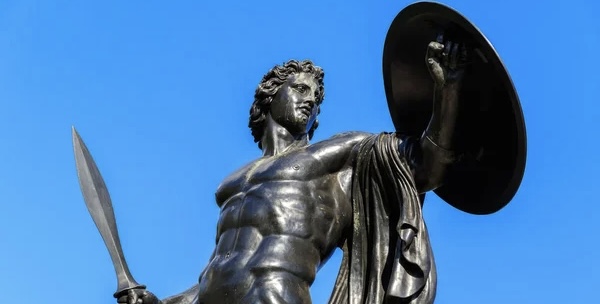
Aside from oral and written stories, the Greeks also worshiped their heroes through elaborate pieces of art, including statues.
Heroes were frequently depicted in works of art that ranged from common painted pots to lavish sculpture programs, indicating their importance to all social strata in Greek society.
Via: https://sites.rhodes.edu/sackett/hero-worship
In modern times, this concept is most prevalent in sports and politics.
Washington D.C. in particular is filled with statues of the “heroes,” including Abraham Lincoln, and Freemason Albert Pike.
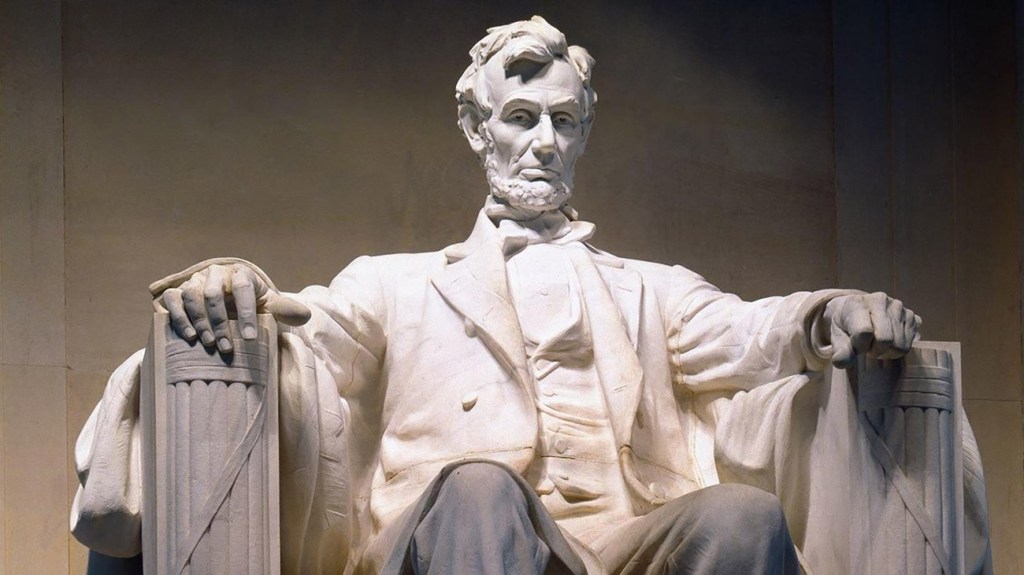



“You shall not make for yourself a carved image—any likeness of anything that is in heaven above, or that is in the earth beneath, or that is in the water under the earth.”
Exodus 20:4
While this concept may seem harmless, the Bible explicitly forbids making and worshiping graven images.
After all this time, our people still haven’t learned our lesson from the dessert.
We would rather praise rocks and statues rather than God.
idolatry
Idolatry, in Judaism and Christianity, the worship of someone or something other than God as though it were God. The first of the biblical Ten Commandments prohibits idolatry: “You shall have no other gods before me.”
Via: https://www.britannica.com/topic/idolatry
I ask you again…
What is a hero?
An image.
A screenshot.
A fallacy.
Since time immemorial, people have worshiped regular, sinful men as Gods.
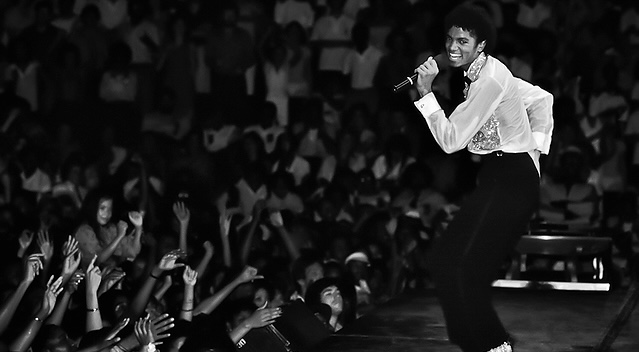
Whether it be Nimrod of Babylon, Ramses of Egypt, Caesar of Rome, or Michael Jordan of Chicago; the same idolatrous spirit has been poisoning the masses for generations.


It’s ok to have role models.
It’s ok to separate the art from the artist.
It’s ok to appreciate people for their talents.
However.
It is not ok to worship them.
It is not ok to act like they’re perfect.
It is not ok to idolize them.
It is also important to stress that the Greek conception of “hero” (hērōs in Greek) was in many ways very different from the modern understanding of the word.
Most notably, Greek heroes were not necessarily good people. Goodness, or morality as we might conceive of it, was not expected of heroes (or gods for that matter).
Via: https://pressbooks.ulib.csuohio.edu/greekgodsheroesandworship/part/chapter-4-heroes-and-hero-cult/
Heroes and villains have always been created by society to push agendas.
They are two horns on the same devil, both working towards a new world order.
People celebrated for their accomplishments rather than their character.
The exterior, rather than the interior.
The flesh, rather than the spirit.
Worship God, not heroes.
Bye Chance.
references
https://www.uh.edu/~cldue/3307/herocults.html
https://sites.rhodes.edu/sackett/hero-worship
https://pressbooks.ulib.csuohio.edu/greekgodsheroesandworship/part/chapter-4-heroes-and-hero-cult/
 by chance